Discover the Magic of Chinese Loofah: Eco - Friendly, Natural Kitchen Cleaning Solutions for Your Home
In an era where sustainability is no longer a buzzword but a way of life, American consumers are increasingly seeking out eco - friendly alternatives to replace single - use plastics and harsh chemical cleaners. If you’re on a mission to make your kitchen more sustainable while keeping it spotless, it’s time to discover a hidden gem from Chinese tradition: **loofah kitchen cleaning products**. These all - natural, biodegradable tools are not just a trend—they’re a testament to how ancient wisdom can solve modern environmental and household challenges.
What Exactly Is Loofah?
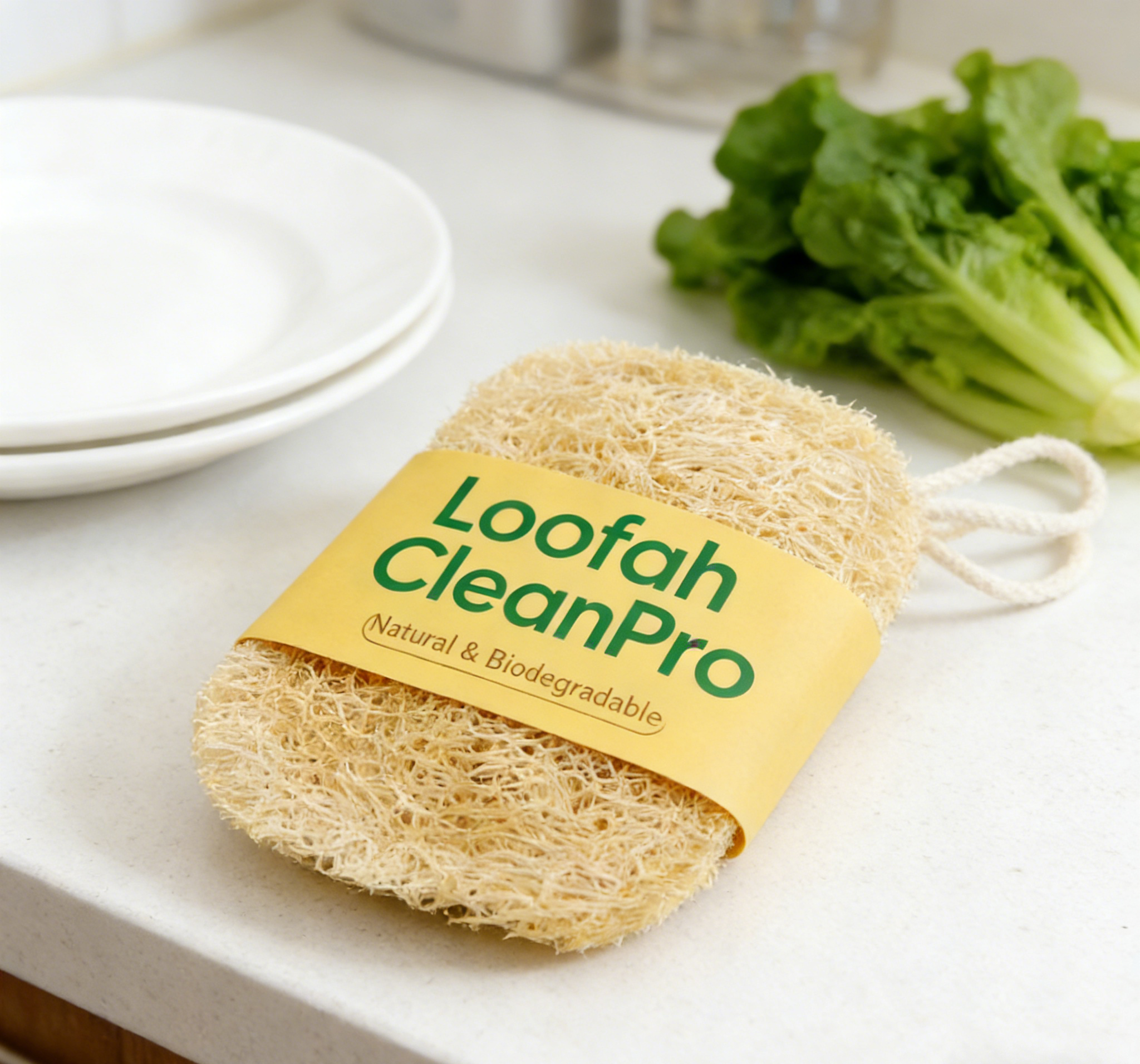
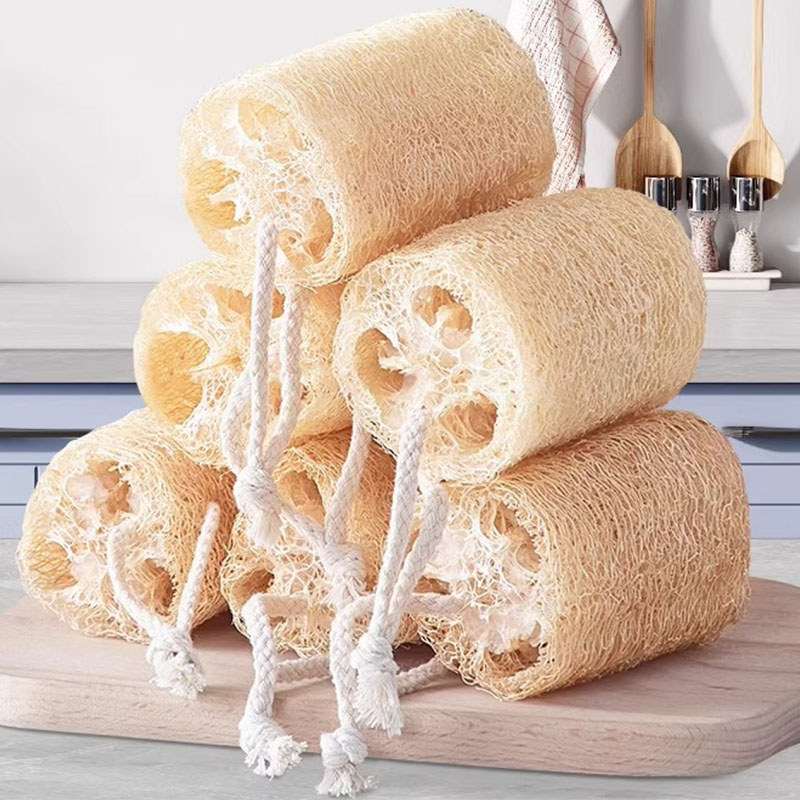
Before we dive into its cleaning superpowers, let’s demystify loofah. Loofah (also known as luffa or Chinese gourd) is the dried internal fibrous skeleton of the Luffa aegyptiaca plant, a type of gourd native to Asia. For centuries, Chinese households have cherished loofah for its versatility: when the gourd matures, it’s harvested, peeled, and dried, leaving behind a network of sturdy yet flexible fibers. Traditionally, loofah was used for bathing (yes, the same material you might know as a “bath loofah”!), but its rough - yet - gentle texture also makes it ideal for kitchen cleaning—and that’s where its true potential shines for eco - conscious cooks and homemakers.
5 Compelling Reasons to Choose Chinese Loofah for Your Kitchen
1. Eco - Friendly & Biodegradable
Every year, billions of plastic sponges and scrubbers end up in landfills, where they take centuries to decompose. In contrast, loofah is 100% natural and biodegradable. When you’re done with it, simply compost it, and it will break down into nutrient - rich soil—no harm to the planet. By switching to loofah, you’re cutting down on plastic waste and embracing a *zero - waste* lifestyle in your kitchen.
2. Powerful Yet Gentle Cleaning
Loofah’s fibrous structure is a marvel of nature’s engineering. The tough fibers easily tackle grease, grime, and stubborn food residues on pots, pans, and dishes—even baked - on messes! Yet, unlike abrasive steel wool or scratchy plastic scrubbers, loofah is gentle enough for delicate surfaces like non - stick pans, glassware, and cast - iron skillets (when used properly). It’s the perfect balance of strength and softness.
3. Non - Toxic & Safe for Food Contact
Many commercial cleaning sponges are treated with chemicals or synthetic materials that can leach into your dishes (especially when wet or heated). Loofah is free from toxins, dyes, and artificial additives. It’s just dried plant fiber—so you can clean your dinnerware, baby bottles, or food - prep surfaces without worrying about harmful residues. For families prioritizing non - toxic living, this is a game - changer.
4. Long - Lasting Durability
Don’t let its natural origins fool you—loofah is surprisingly durable. With proper care (more on that later), a single loofah scrubber can last for months, outlasting flimsy plastic sponges that fall apart after a few weeks. This means fewer replacements, less waste, and more value for your money.
5. A Touch of Cultural Heritage
Using loofah in your kitchen isn’t just about cleaning—it’s about connecting with a centuries - old Chinese tradition. For generations, Chinese families have repurposed every part of the loofah plant: the young gourds are eaten as a nutritious vegetable, while the matured fibers become cleaning tools. This circular approach to resource use reflects ancient wisdom about sustainability—long before “sustainability” was a global movement.
How to Use Loofah in Every Corner of Your Kitchen
Loofah’s versatility makes it a Swiss Army knife for kitchen cleaning. Here’s how to maximize its potential:
- Pots, Pans, & Dishes: Soak the loofah in warm, soapy water, then scrub away grease and food particles. The fibers’ texture works like a natural exfoliant for cookware, leaving them sparkling clean.
- Non - Stick & Delicate Surfaces: Use a gentle circular motion with a damp loofah. Its soft fibers won’t scratch coatings or glass, making it safe for ceramic pans, Pyrex, and even wine glasses.
- Countertops & Sinks: Wipe down granite, marble, or stainless - steel surfaces with a dry or slightly damp loofah. It picks up crumbs, spills, and light stains without leaving streaks.
- Cast - Iron Care: After seasoning your cast - iron skillet, use a dry loofah to gently remove food debris (avoid using soap, which can strip the seasoning). The fibers clean without damaging the pan’s protective layer.
Loofah vs. Traditional Cleaning Tools: A Clear Winner
Let’s pit loofah against two common kitchen staples to see why it stands out:
- vs. Plastic Sponges
Plastic sponges are breeding grounds for bacteria (they stay wet, creating a moist environment for germs). Loofah, when dried between uses, discourages bacterial growth. Plus, plastic sponges are disposable and harmful to the environment—loofah is reusable and compostable.
- vs. Steel Wool
Steel wool is ultra - abrasive, which means it’s great for heavy - duty jobs but ruins non - stick coatings, scratches stainless steel, and rusts over time. Loofah offers similar cleaning power for everyday grime but with zero risk of scratching or rust.
Caring for Your Loofah: Make It Last
To extend your loofah’s lifespan and keep it hygienic:
1. Dry Thoroughly Between Uses: After cleaning, rinse the loofah and squeeze out excess water. Hang it in a well - ventilated area (like near your kitchen window) to dry completely. This prevents mold and mildew.
2. Replace Regularly: Even with proper care, replace your loofah every 2–3 months (or sooner if it starts to break down). Compost the old one to close the sustainability loop!
3. Sanitize Occasionally: Soak the loofah in a mixture of water and white vinegar (1:1 ratio) for 10–15 minutes once a month to kill bacteria. Rinse thoroughly and dry.
Where to Find Authentic Chinese Loofah Products
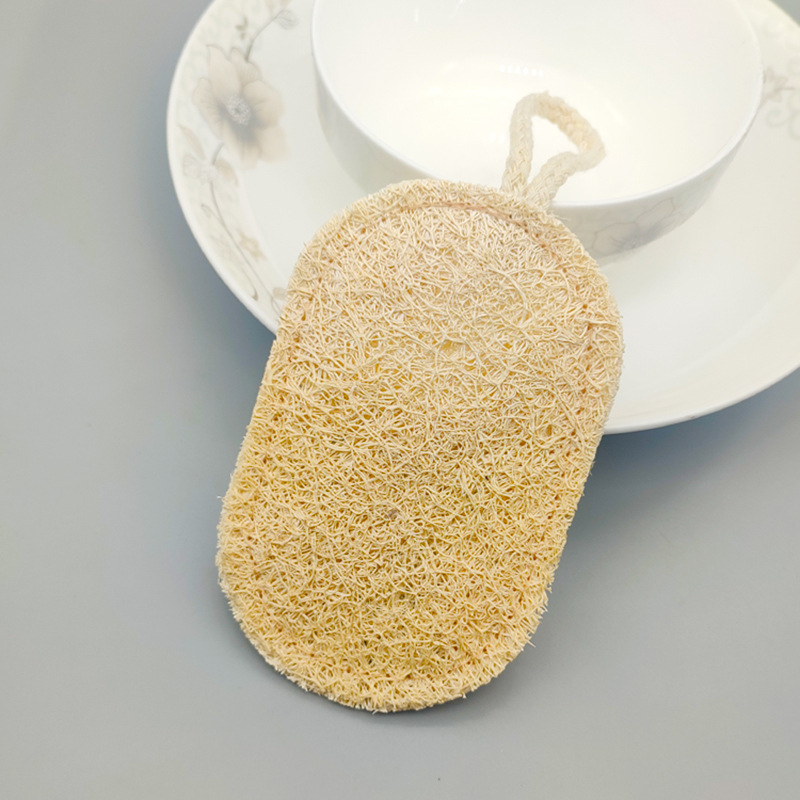
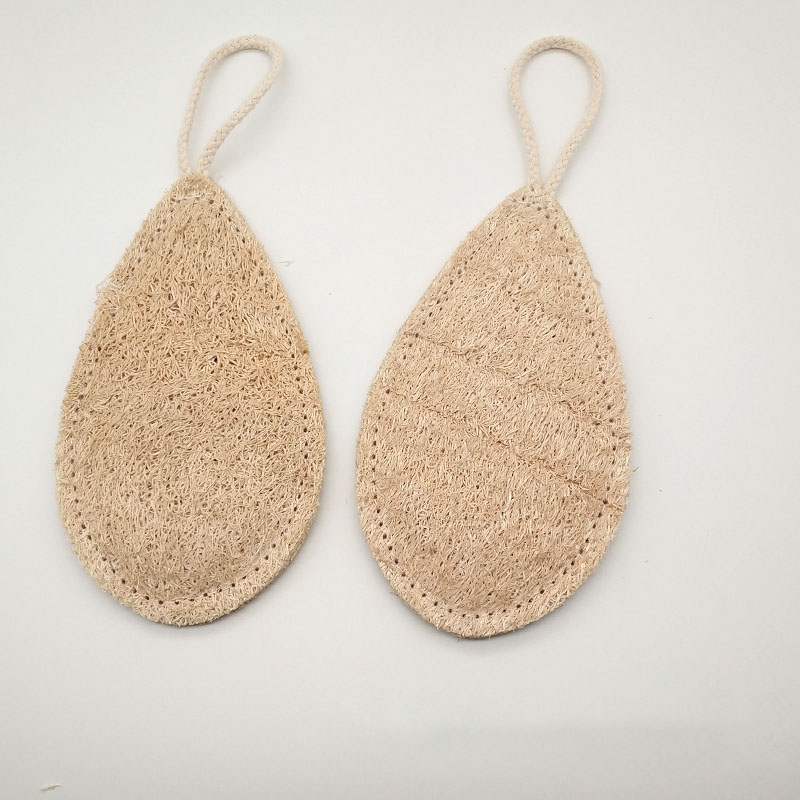
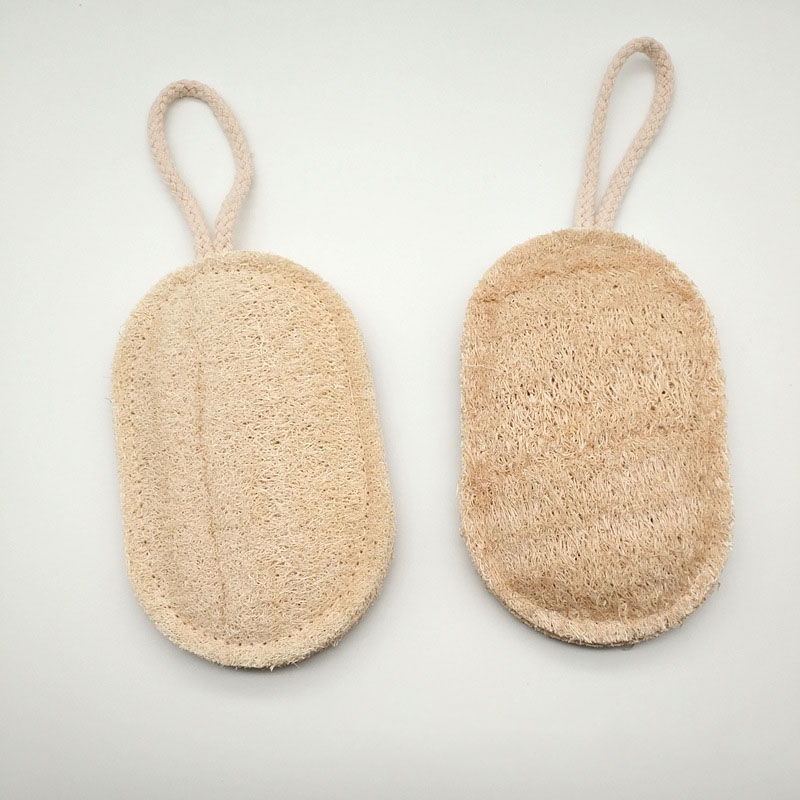
As loofah gains popularity in the U.S., it’s essential to choose high - quality, authentic products. Look for sellers that source loofah directly from China, where traditional farming and processing methods ensure the fibers are thick, durable, and free from chemicals. Many eco - focused online marketplaces, specialty kitchen stores, or Chinese import brands offer loofah scrubbers, loofah pads, and even loofah - infused dish brushes.
When shopping, check for these signs of quality:
- Natural Color & Texture: Authentic loofah has a light tan color (not bleached white) and a slightly rough, porous texture.
- No Artificial Additives: The product should be 100% loofah fiber—no glues, dyes, or synthetic materials.
The Cultural Legacy of Loofah in China
Beyond its practical uses, loofah tells a story of Chinese ingenuity and respect for nature. In rural China, families have long practiced “wàn wù jiē kě yòng” (万物皆可用)—“everything can be used.” The loofah plant exemplifies this: its leaves, flowers, and young fruits are edible (rich in vitamins and antioxidants), while the matured gourd becomes a cleaning tool. Nothing goes to waste. This philosophy of circularity and reuse is at the heart of traditional Chinese culture—and it’s a lesson we can all apply to modern living.
Conclusion: Transform Your Kitchen, Sustain the Planet
Switching to Chinese loofah kitchen cleaning products is more than a purchase—it’s a statement. It’s a choice to support sustainability, embrace natural materials, and honor cultural heritage. Whether you’re a busy parent, a passionate home cook, or an eco - warrior, loofah offers a simple yet impactful way to make your kitchen routine greener.
So, the next time you reach for a plastic sponge, pause and ask: “Is there a better way?” With loofah, the answer is a resounding “Yes.”Try it for yourself, and discover how a piece of dried gourd can revolutionize your cleaning routine—one dish, one pot, and one step toward a more sustainable future at a time.
Remember, small changes in our daily habits add up to big changes for the planet. Let Chinese loofah be your partner in creating a cleaner, greener kitchen—without compromising on performance. Your dishes (and the Earth) will thank you.