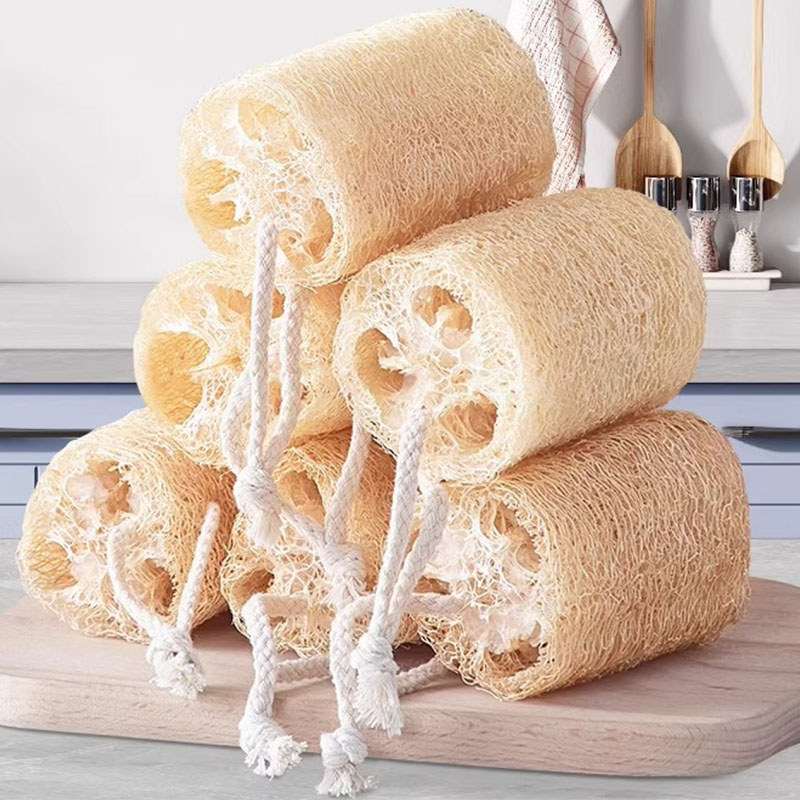
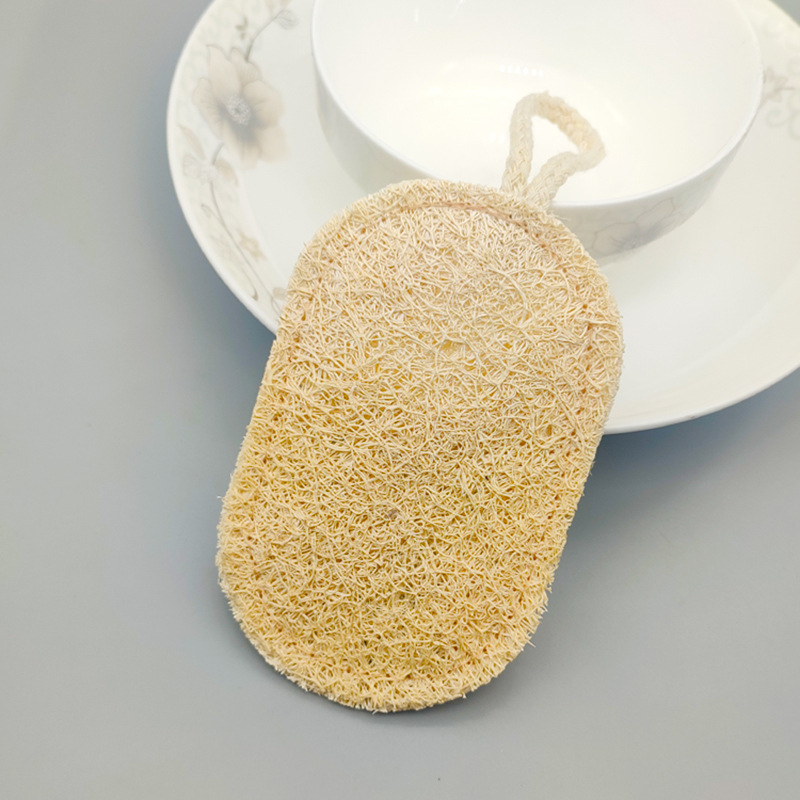
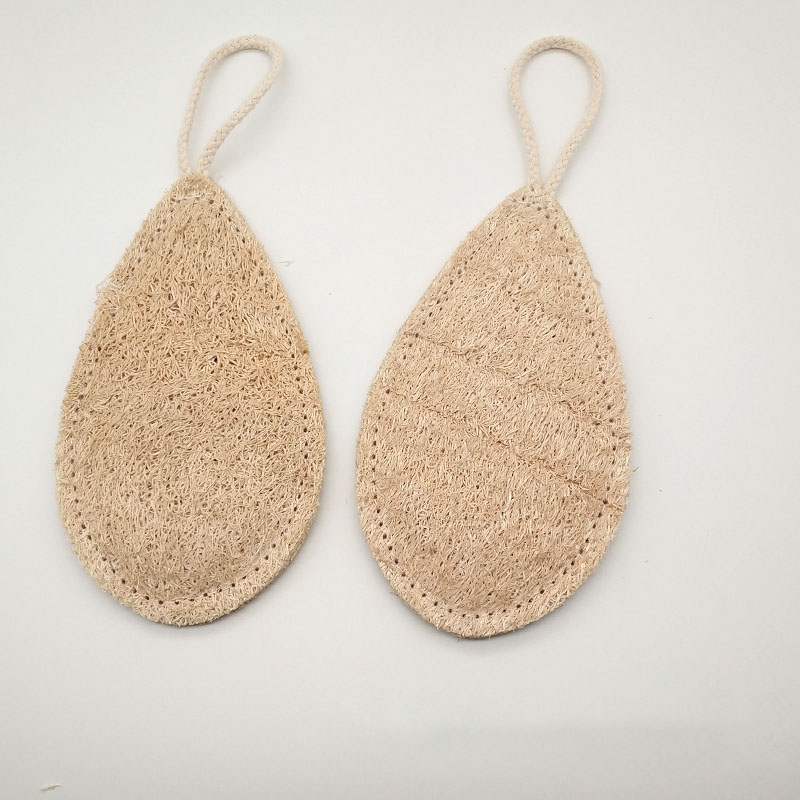
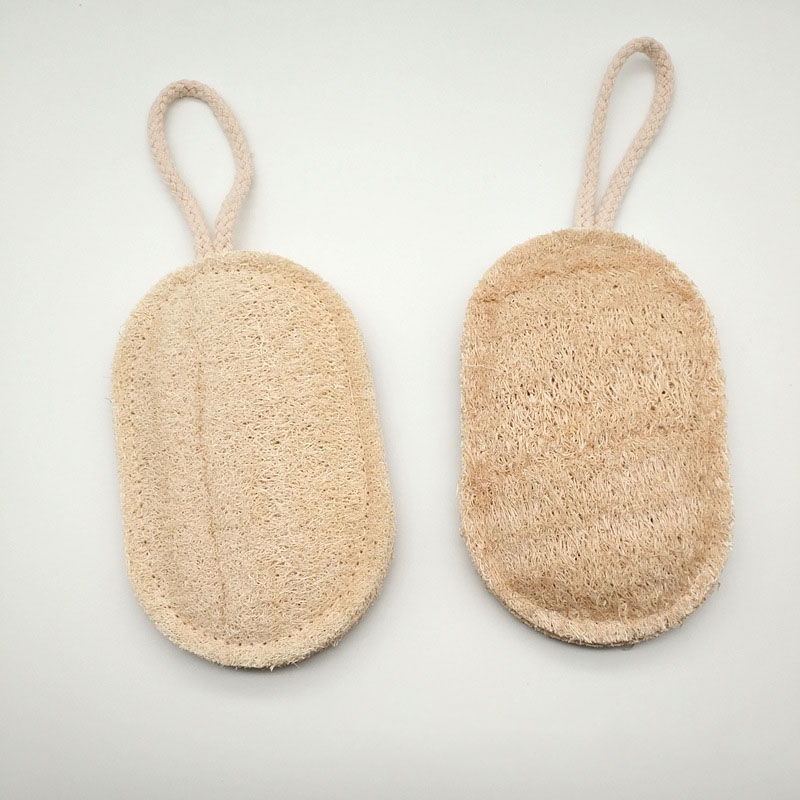
Loofah Maintenance 101: Complete Guide to Cleaning and Keeping Your Loofah Fresh & Bacteria-Free
Why Loofah Hygiene Matters
Before diving into the care steps, it’s crucial to understand why keeping your loofah clean is non-negotiable. Every time you use a loofah, it soaks up water, dead skin cells, and body wash—creating the perfect warm, moist environment for microbes to thrive. Studies have shown that a single loofah can harbor millions of bacteria, including common pathogens like Staphylococcus aureus and Escherichia coli. Using a contaminated loofah can clog pores, cause acne breakouts, or even lead to more serious skin infections. Regular cleaning and proper storage are key to preventing this buildup.
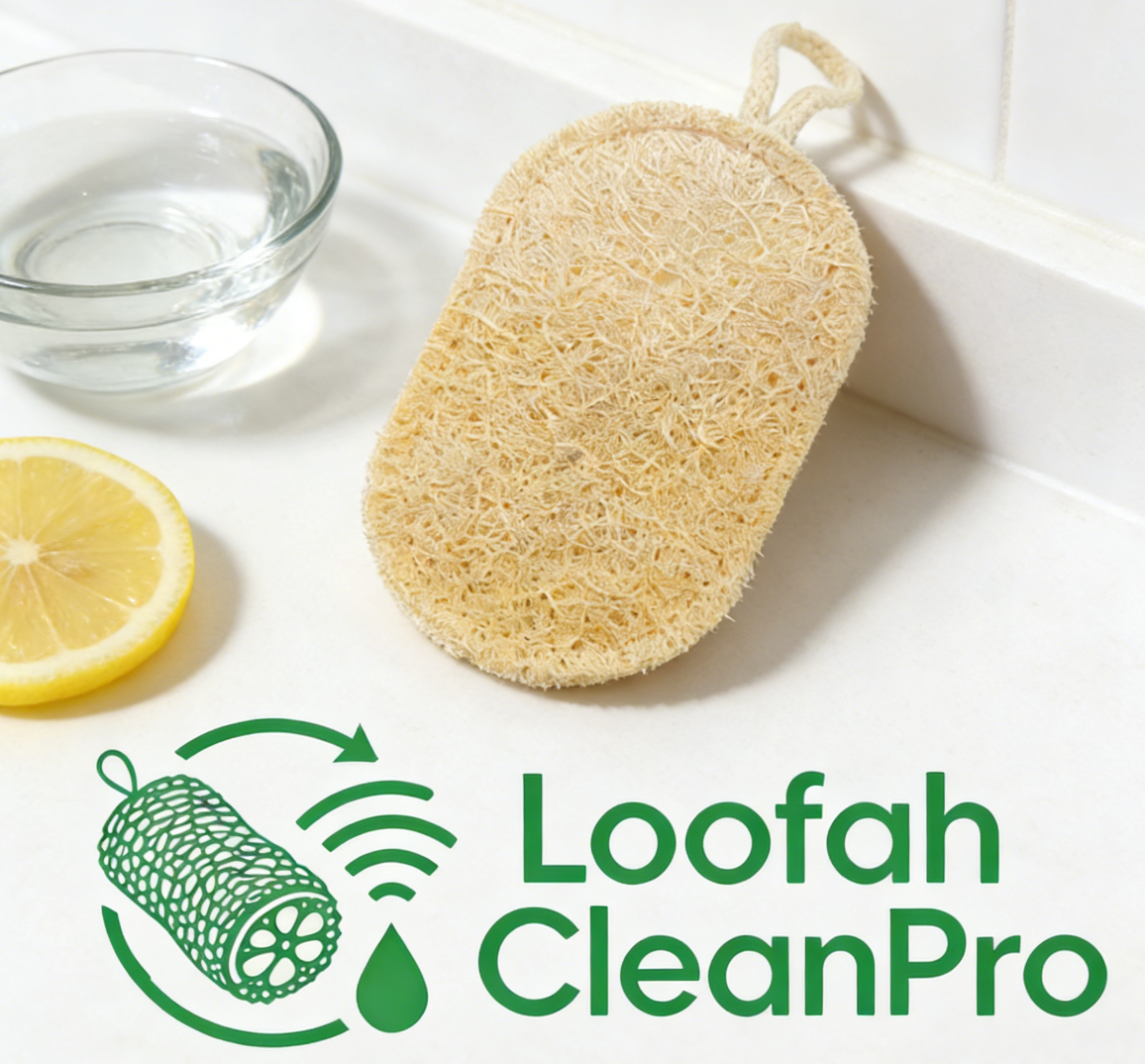
Step-by-Step Guide to Cleaning Your Loofah
1. Daily Rinse & Squeeze (Quick Maintenance)
After washing, hold the loofah under running warm water.
Squeeze it firmly multiple times to expel all trapped soap, water, and dead skin cells. Continue squeezing until the water runs clear.
Shake off any remaining water to reduce moisture buildup.
2. Weekly Deep Sanitization (Kill Bacteria & Mold)
Method 1: Bleach Solution (Most Effective for Disinfection)
Mix 1 teaspoon of liquid bleach with 1 quart of warm water in a clean container.
Submerge the loofah completely in the solution and let it soak for 5–10 minutes. Ensure every part of the loofah is covered—press it down gently if needed to remove air bubbles.
After soaking, rinse the loofah thoroughly under running water until there’s no trace of bleach smell.
Squeeze out excess water and let it air dry completely.
Method 2: Vinegar Soak (Natural Alternative)
Mix equal parts white vinegar and warm water in a container.
Submerge the loofah in the mixture and let it soak for 30 minutes to 1 hour.
Rinse thoroughly under running water and squeeze dry.
Method 3: Microwave or Dishwasher (Quick Sanitization)
Microwave: Wet the loofah slightly (dry loofahs can catch fire) and place it in a microwave-safe bowl. Heat on high for 30 seconds. Let it cool completely before handling, then rinse and squeeze dry.
Dishwasher: Toss the loofah into the top rack of your dishwasher. Run a normal cycle with hot water and detergent. Remove it after the cycle ends and let it air dry.
Tips to Keep Your Loofah Fresh Longer
Always air dry completely between uses: Hang your loofah in a well-ventilated area, such as near an open window or a bathroom fan. Avoid leaving it in a damp shower corner or sealed container—moisture is the main culprit for bacteria growth.
Don’t share your loofah: Sharing a loofah transfers bacteria and germs between people, increasing the risk of infections. Each person should have their own loofah.
Avoid overusing body wash: Excess soap can get trapped in the loofah’s fibers, creating a sticky residue that attracts bacteria. Use just enough body wash to create a lather.
Replace your loofah regularly: No matter how well you care for it, a loofah’s fibers break down over time, making it harder to clean and more prone to bacteria buildup. Replace natural loofahs every 3–4 weeks and synthetic loofahs every 6–8 weeks.
Signs It’s Time to Replace Your Loofah
Foul odor: A persistent musty or sour smell means bacteria or mold is present, even after cleaning.
Discoloration: Dark spots, mold growth, or a change in color (e.g., yellowing or browning) indicates contamination.
Frayed or soft fibers: If the loofah feels slimy, mushy, or its fibers are falling apart, it’s no longer effective for exfoliation and is a breeding ground for bacteria.
Skin irritation: If you notice new breakouts, redness, or itching after using your loofah, it may be contaminated and should be replaced immediately.
Final Thoughts on Loofah Care